AI Agent Framework & Enablement
Created a repeatable framework for designing, deploying, and scaling AI agents across teams and tools.
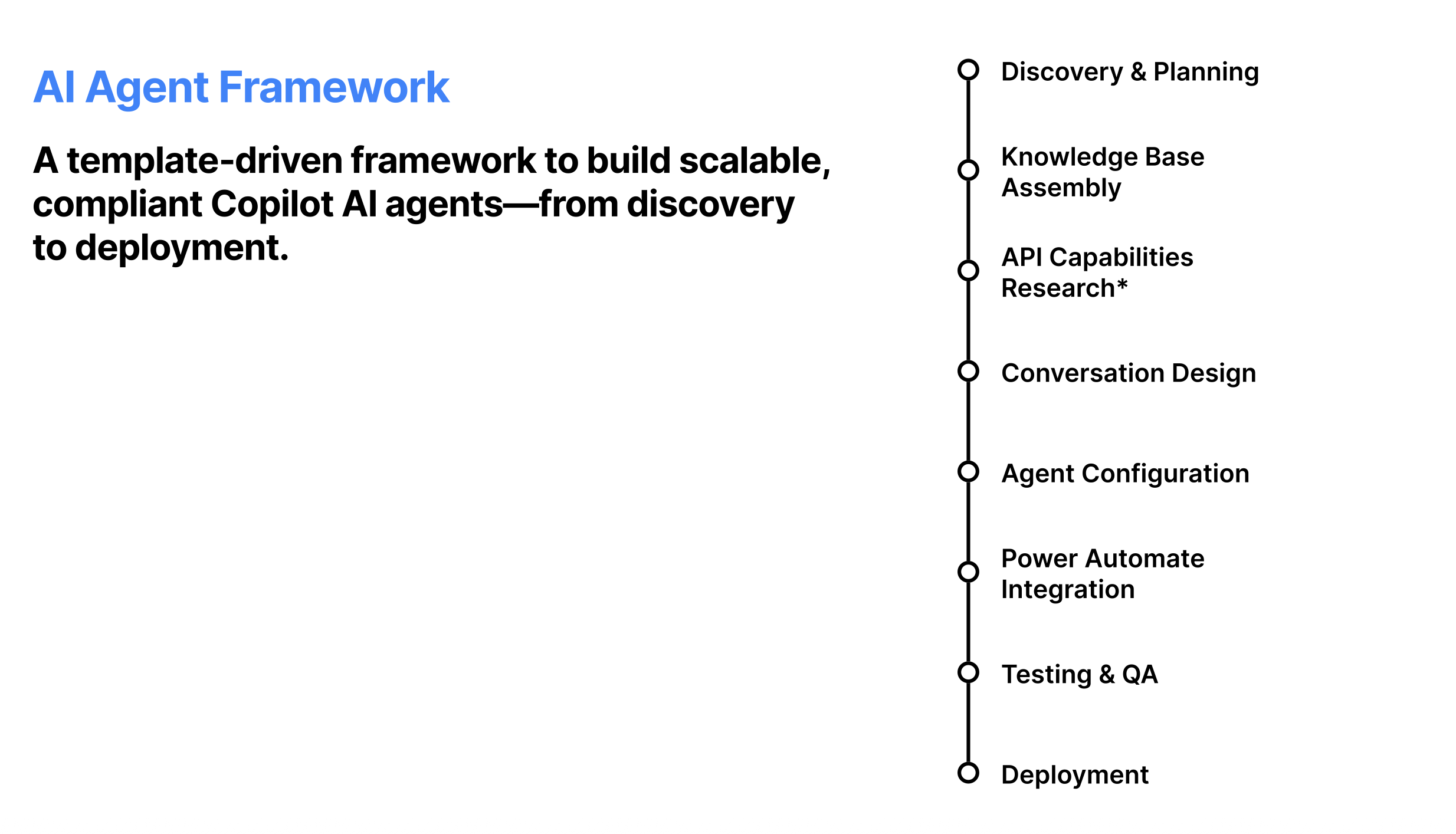
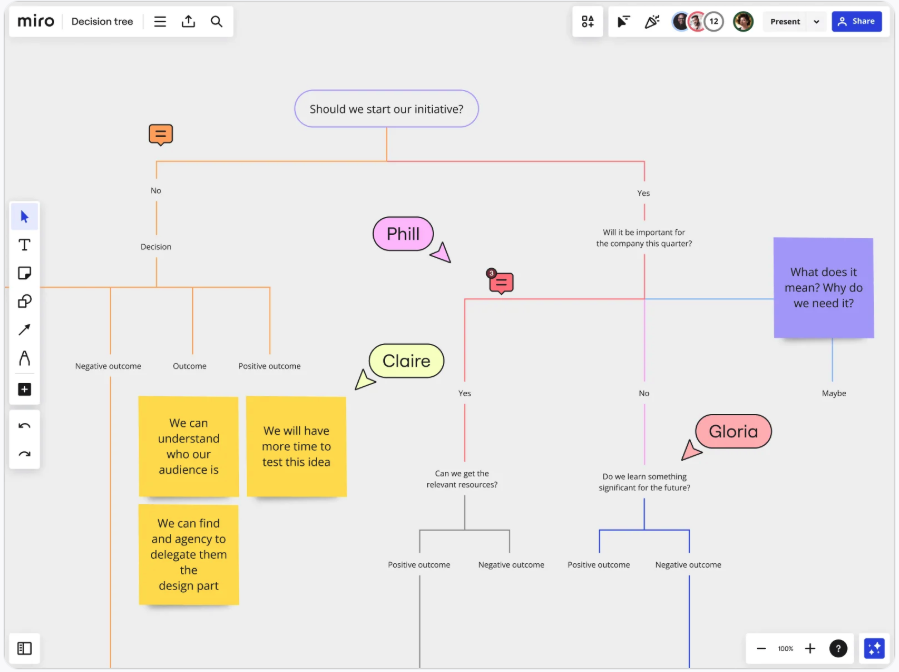
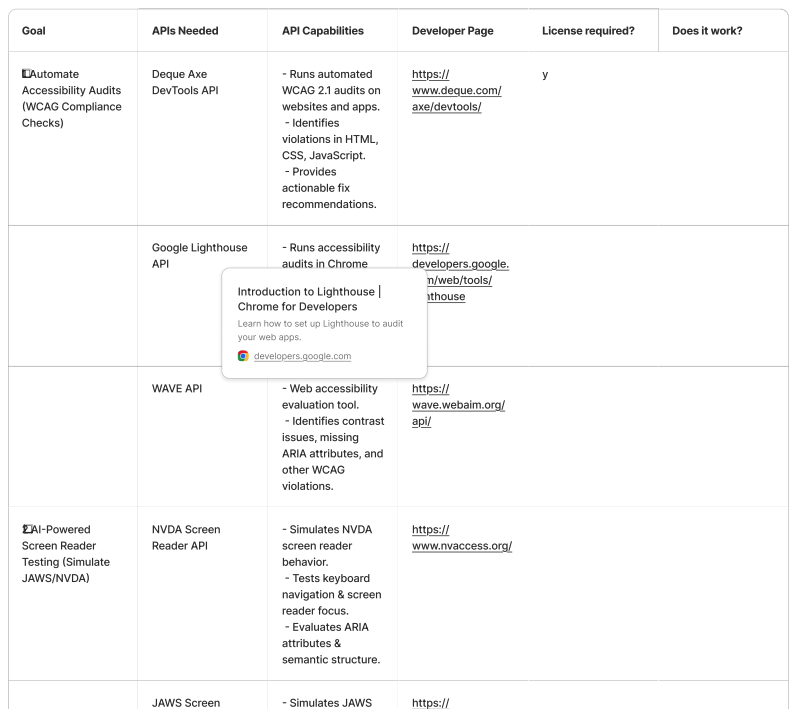
Context
As interest in AI grew across Product, Design, and Research, teams were eager to experiment—but there was no shared approach for how AI agents should be designed, built, or adopted. Early efforts risked becoming fragmented, one-off solutions that were difficult to scale or support.
The organization needed a way to move from AI curiosity to AI capability.
Problem
No consistent model for designing or deploying AI agents
AI efforts varied widely by team and tool
High risk of duplication, rework, and low adoption
Limited guidance on enablement, rollout, and long-term ownership
Without structure, AI would remain experimental rather than operational.
My Role
Design Program Manager / Design Operations Lead (AI Enablement)
I defined the strategic and operational foundation for AI agents—creating a repeatable framework, aligning cross-functional partners, and ensuring agents could be adopted, supported, and scaled across teams.
What I Built
AI Agent Framework (8 Phases)
I created an end-to-end framework that standardized how AI agents moved from idea to adoption. The framework covered the full lifecycle, including:
Discovery & planning
Use-case definition
Knowledge sourcing
Agent configuration
Enablement & rollout
Iteration and governance
This model provided teams with clarity, consistency, and confidence when building agents.
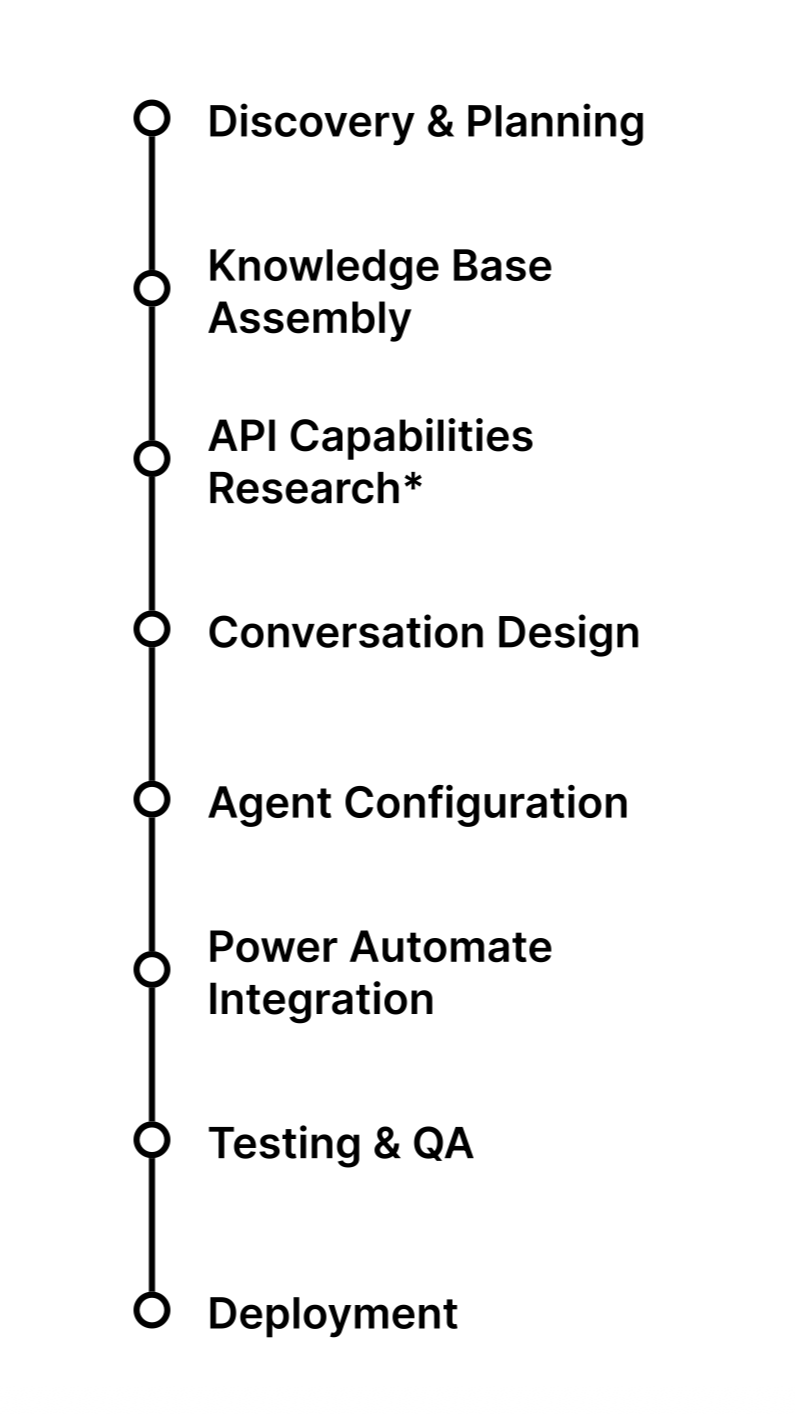
AI Agent Framework: From Discovery to Deployment
Reusable Agent Design Patterns
Using the framework, I established repeatable patterns that could be applied across tools and teams—reducing friction and accelerating delivery. These patterns focused on:
Clear user intent
Structured inputs and outputs
Defined success criteria
Rather than reinventing solutions, teams could build on proven foundations.
Reusable agent patterns that reduced rework and accelerated delivery
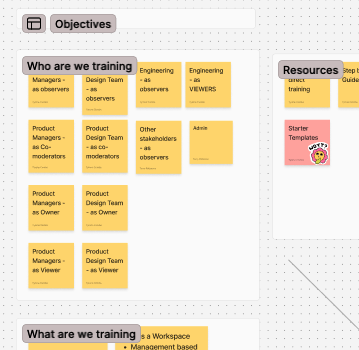
To ensure agents were actually used, I paired technical work with an enablement strategy:
Training and onboarding guidance
Use-case documentation templates
Ongoing support and iteration loops
This shifted AI from “something new to try” into something teams could rely on.
Enablement & Adoption Model
Cross-Tool Application
The framework was intentionally tool-agnostic and successfully applied across multiple platforms, including:
Product analytics and research tools
Design system documentation
Knowledge and content systems
This demonstrated that the approach scaled beyond a single use case or vendor.
Standardized patterns for intent, inputs, outputs, and success criteria
Impact
Established a shared, repeatable approach to AI agents
Reduced fragmentation and duplication across AI efforts
Enabled teams to confidently design and deploy agents
Positioned AI as an operational capability rather than an experiment
Most importantly, teams could focus on solving real problems, not figuring out where to start.
What I’d Do Next
With additional time, I would:
Integrate deeper automation between agents and core systems
Introduce more usage and performance signals
Expand enablement beyond Design into broader product team
Tools & Methods
AI enablement · Program frameworks · Agent lifecycle design · Cross-functional alignment · Knowledge systems · Governance models · Change management